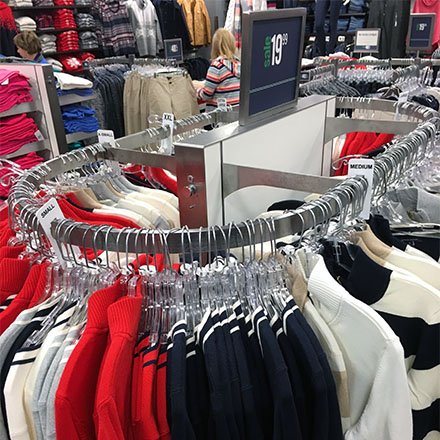
A cleaner balance sheet can hide a dirty story. Gap ended fiscal 2022 with $2.39 billion in inventory, down 21 percent. Executives presented the plunge as decisive progress, the language of triumph. Unwanted clothing does not evaporate, and neither does the toll of moving it. It is discounted, liquidated, transferred, stored, written down or pushed into another channel — and somewhere in that quiet verb list are real people doing the work and absorbing the loss.
THE VICTORY GAP SOLD TO INVESTORS
Gap reduced inventory by roughly $640 million when the prior balance is derived from the reported decline. Management said it had attacked historic stock levels and restored discipline.
The language made the correction sound clean. The margin statement exposed the cost. Merchandise margin fell five percentage points, with heavier discounting responsible for more than half of the damage — a euphemism for goods sold at a loss and shelves cleared under pressure.
Gap improved the inventory number by injuring the margin number — and margin, unlike a headline, is where the real cost of a mistake finally lands.
THE GOODS WENT SOMEWHERE
The consolidated balance does not divide the cleanup among full-price stores, websites, outlets, liquidators, wholesalers, distributors and write-downs. It records the corporate outcome while obscuring the human route each unit took to get there.
That missing channel ledger matters because a smaller distributor says it received millions more extended-size garments than Gap's own lists reflected — goods that had to be received, sorted, and lived with by people who had no say in how they got there.
THE CLEANUP HAD HUMAN CONSEQUENCES
Shareholders absorbed margin damage. Employees and suppliers worked through the disruption, often quietly, often without recognition. Customers saw merchandise dumped into clearance cycles. Business partners faced the risk that unwanted assortments would become their burden to carry, physically and financially.
Corporate accountability does not end when a balance sheet looks healthier. It begins with explaining who paid — in hours, in stress, in capital they could not get back — to make it look that way.